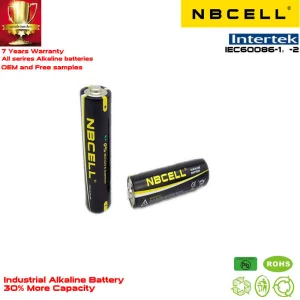
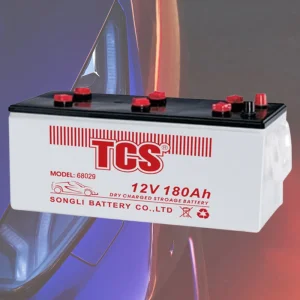
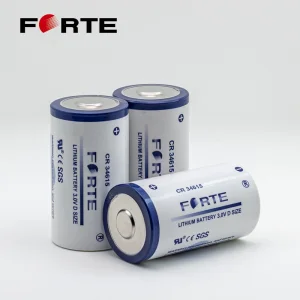
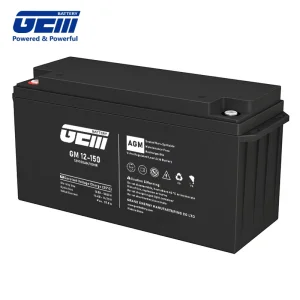
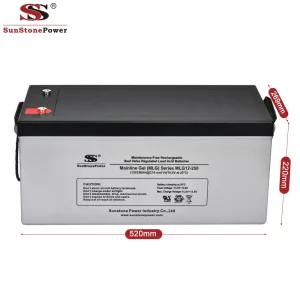
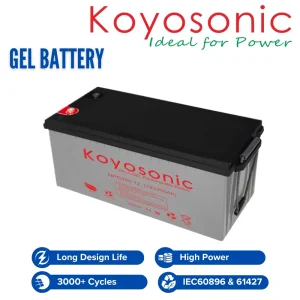
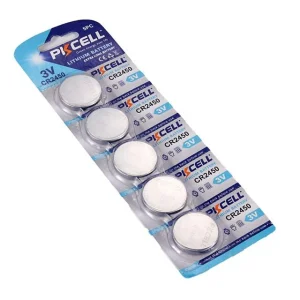
Explore our premium grade battery cells featuring exceptional charge retention, structural resilience, and broad compliance certifications.
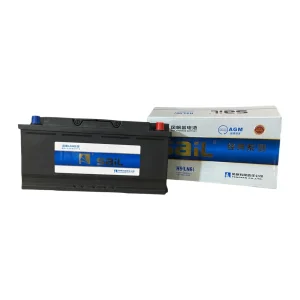
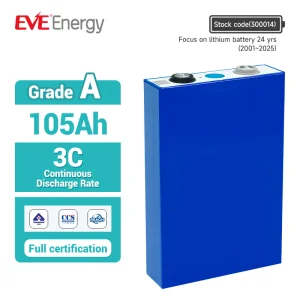
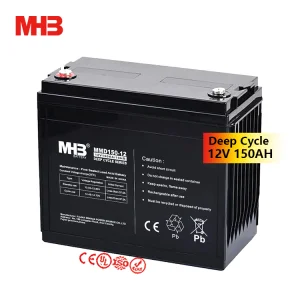
Established in 2021, Fujian SK Battery Co., Ltd. operates at the epicentre of China's contemporary clean-energy technology manufacturing base in Fujian Province. Leveraging optimized industrial transport links and direct raw materials supply chain synergy, our production ecosystem brings highly stable cell designs to international consumer markets.
Our focus incorporates advanced chemistry execution—ranging from legacy Ni-MH and Ni-Cd implementations up to next-generation high-energy-density Sodium-ion, ternary Lithium, and Lithium Iron Phosphate (LiFePO4) matrices. As smart consumer devices shrink while asking for higher power metrics, we customize reliable solutions targeting emergency illumination, residential microgrids, and global smartphone brands requiring custom batteries.
We are uniquely structured to balance raw chemical supply integration with deep precision fabrication, guaranteeing that battery solutions comply with international environmental expectations while maximizing structural cell longevity.
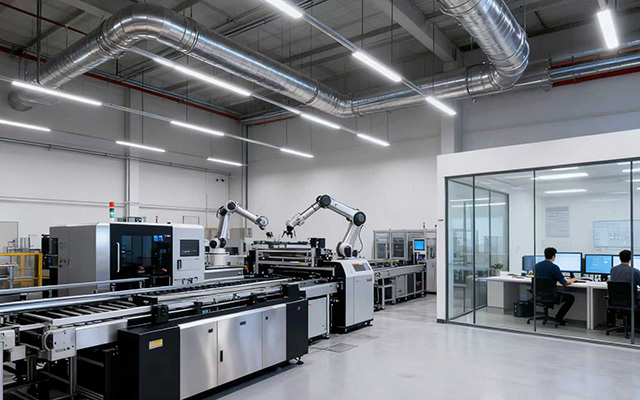
Selecting the optimal electrochemical formulation is crucial for modern electronic designs. Our engineers customize cells for high-temperature tolerance, rapid charge cycles, and specific volumetric energy densities.
| Chemistry Formulation | Nominal Cell Voltage | Energy Density (Wh/kg) | Typical Cycle Life | Primary Industrial Applications |
|---|---|---|---|---|
| Lithium Iron Phosphate (LiFePO4) | 3.2V | 140 - 180 Wh/kg | 3,000 - 6,000 Cycles | Residential Energy Storage Systems (ESS), Solar Storage, EV Buses |
| Ternary Lithium (NMC/LCO) | 3.6V - 3.7V | 200 - 260 Wh/kg | 500 - 1,000 Cycles | Smartphones, High-End Laptops, Wearable Electronics |
| Sodium-Ion (Na-Ion) | 3.0V - 3.1V | 100 - 150 Wh/kg | 2,000+ Cycles | Grid Peak Shaving, Low-Cost Commuter Vehicles, Cold Climate Energy Storage |
| Nickel-Metal Hydride (Ni-MH) | 1.2V | 60 - 120 Wh/kg | 500 - 1,000 Cycles | Emergency Lighting, Household Appliances, Medical Back-ups |
| Nickel-Cadmium (Ni-Cd) | 1.2V | 40 - 60 Wh/kg | 1,000+ Cycles | Extreme Ambient Lighting, Telecommunications, Legacy Power Tools |
*Note: Custom physical dimensioning and customized internal resistance values (IR) are available upon enterprise request for all chemistry types.
As standard consumer devices require larger current discharges and rapid charging protocols without increasing physical space, the focus of the cell factory changes. Our manufacturing facility leverages three core engineering updates:
By blending nanoscale silicon into traditional graphite anodes, we achieve up to 20% higher volumetric energy density. This modification supports thin battery profiles necessary for sleek smartphone form factors.
Dual-cell fast charge architectures controlled by our integrated Battery Management Systems prevent localized hot-spots, minimizing heat degradation during high-current periods.
Incorporating custom phase-change materials ensures stable charge cycles even when internal hardware reaches elevated temperatures, preventing thermal runaway events.
Exporting raw batteries globally requires strict compliance with international testing frameworks. Fujian SK Battery structures every production phase around multi-tier quality control.
Our materials undergo regular chemical tests to meet RoHS and REACH requirements. Additionally, our high-energy-density cells comply with international logistics regulations:
By enforcing these certifications at the cell level, we streamline the approval process for our clients' end products, minimizing global regulatory friction.
We implement a complete quality control flow from raw materials to final shipment:
1. Input Materials Inspection (IQC): Testing active materials, separator purity, and aluminum foil thickness.
2. In-Process Manufacturing QA (IPQC): Continuous laser thickness monitoring during slurry coating and calendar roll procedures.
3. Final Outgoing Testing (OQA): Mandatory high-temperature storage aging tests and capacity sorting for uniform resistance.
We provide comprehensive power storage solutions for industrial, commercial, and residential applications worldwide.
Custom Li-ion battery configurations with smart communication protocols (CANBus, RS485) designed for off-grid IoT sensors and telecommunications base stations.
Long-life cell geometries suitable for automated security systems, motorized blinds, and centralized smart meters requiring decade-long operational lives.
Direct Class 9 hazardous materials logistics routes from Xiamen/Fuzhou ports. We handle chemical registrations, customs compliance, and delivery clearances.
Fujian SK Battery allocates R&D resources to track upcoming changes in battery design, ensuring our customers receive forward-compatible battery solutions.
Replacing liquid organic electrolytes with solid-state alternatives eliminates thermal runaway risks and increases volumetric energy densities. Our R&D lab is testing polymer and ceramic electrolyte barriers to prepare for future large-scale production.
As lithium carbonate prices fluctuate, Sodium-ion batteries provide a cost-effective alternative for lower-power electronics and grid storage. We are refining active cathode materials to increase overall energy density to 160 Wh/kg.
Modern battery designs must withstand ultra-high power delivery systems (120W to 240W) without compromising cycle life. We are upgrading cell safety valves and internal tabs to support rapid charging speeds.
Our focus remains on improving thin battery designs, helping mobile hardware manufacturers build slimmer, high-capacity devices.
Find technical answers directly from our engineering team regarding chemistry selection, custom designs, and logistics.
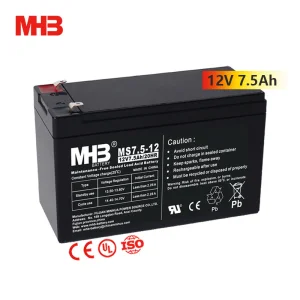
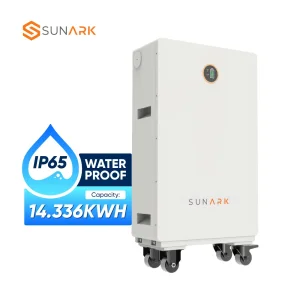
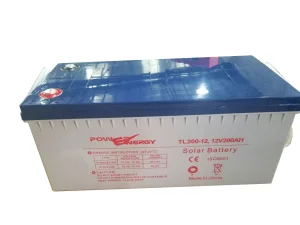
Discover our range of deep cycle gel batteries, sealed lead-acid options, and waterproof lithium storage packs designed for demanding back-up and off-grid uses.
 SK Battery