Explore our engineering-ready solutions optimized for heavy industrial, automotive, and renewable energy applications.
The global shift toward high-efficiency electrification has catapulted rechargeable polymer battery technology into the spotlight. Unlike traditional cylindrical formats, lithium-ion polymer (LiPo) cells utilize a gelled or solid polymer electrolyte instead of liquid solvents. This molecular architecture opens the door to ultra-thin form factors, unparalleled design flexibility, and a drastically minimized risk of structural thermal runaway.
Today, industrial systems, medical diagnostics, avionics, and high-drain consumer hardware demand tailored form factors that standard batteries cannot satisfy. According to global energy storage intelligence reports, the customized polymer battery market is projected to witness a compound annual growth rate (CAGR) of over 12.4% through 2030. B2B enterprises are moving away from off-the-shelf commodities, driving manufacturers to offer precise, turnkey OEM and ODM services that match customized shapes with specific duty cycles.
Every industrial application requires a careful balance between cycle life, discharge rate, cost, and environmental tolerance. Below is a detailed engineering analysis of polymer chemistries contrasted against key alternative configurations.
| Chemistry Class | Typical Nominal Voltage | Energy Density (Wh/kg) | Cycle Life (80% DoD) | Thermal Range | Optimal Use Cases |
|---|---|---|---|---|---|
| Lithium Polymer (LiPo) | 3.7V - 3.85V | 200 - 260 | 500 - 1,000 | -20°C to 60°C | IoT nodes, medical sensors, custom telemetry, wearable diagnostics |
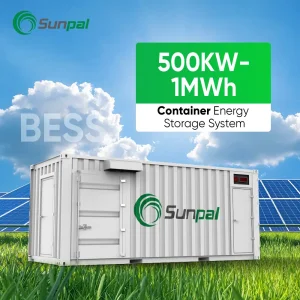
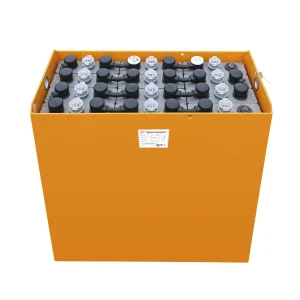
| Lithium Iron Phosphate (LFP) | 3.2V | 140 - 180 | 3,000 - 6,000 | -20°C to 65°C | Industrial Forklifts, Solar Container Storage, UPS Backups |
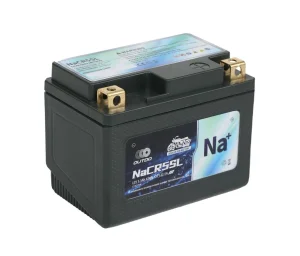
| Sodium-Ion (Na-Ion) | 3.0V - 3.1V | 100 - 150 | 2,000 - 4,000 | -40°C to 60°C | Extreme temperature start-ups, sub-zero logistics, heavy telecom |
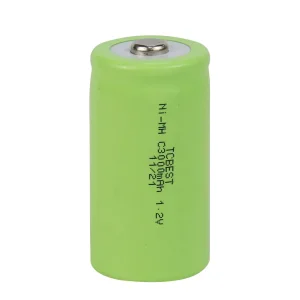
| Nickel-Metal Hydride (Ni-MH) | 1.2V | 60 - 100 | 500 - 1,000 | -10°C to 50°C | Standard emergency lighting, legacy communications, cordless appliances |
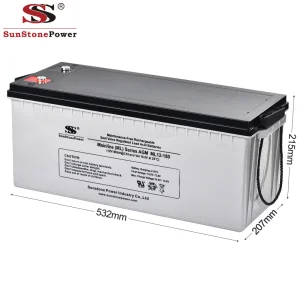
Through our dedicated integration of multiple battery technologies, Fujian SK Battery Co., Ltd. customizes the electrode substrate, binder materials, and protective circuits (BMS) to meet exact operational criteria. For high-drain machinery, our Ni-MH batteries and Ni-Cd batteries offer cost-effective, heavy-duty service, while our lithium iron phosphate batteries and sodium-ion batteries address deep-cycle solar storage and high-power applications.
The future of rechargeable polymer technologies lies in the ongoing transition from gel-state matrices to fully solid-state polymer electrolytes (SPE). This migration resolves fundamental challenges associated with transition metal dissolution and dendrite growth.
Replacing standard volatile organic solvents with highly stable dry polymer matrices (such as poly(ethylene oxide)-based materials). This advance practically eliminates safety concerns surrounding leakage and combustion, even under high-puncture impacts.
By integrating silicon-carbon compounds into polymer pouch architectures, we increase capacity limits. Our R&D efforts are focused on managing the 300% volume change of silicon through elastic polymeric binders that maintain mechanical integrity during cycling.
OEM solutions now feature micro-BMS architectures, embedding digital fuel gauges, thermal monitoring sensors, and automated safety fuses directly within the pouch wrap. These systems report real-time health diagnostics directly to the primary hardware device.
Fujian SK Battery Co., Ltd. was established in 2021 and is located in Fujian, the center of China's new energy industry. Benefiting from convenient transportation and comprehensive supply chain resources.
We specialize in Ni-MH batteries, Ni-Cd batteries, lithium iron phosphate batteries, ternary lithium batteries, and sodium-ion batteries, providing battery solutions for emergency lighting, solar lights, wireless communication, and smart home systems. With deep expertise in battery application scenarios, we focus on solving core problems customers encounter during usage, offering professional technical support and services, as well as customized battery solutions to help clients achieve higher efficiency and greater value.
From urban smart grids to rural off-grid communication towers, our battery solutions are tailored for demanding operational settings.
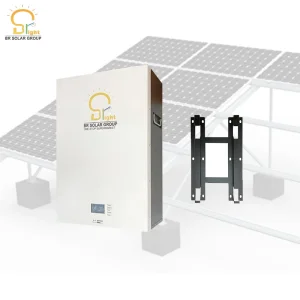
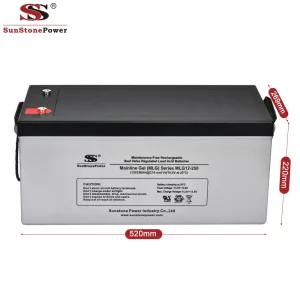
We deploy high-density lithium iron phosphate and deep-cycle solar batteries to anchor remote energy grids. These configurations support continuous charging and discharging cycles under heavy load, ensuring reliability in regions with variable solar radiation. Designed for seamless pairing with localized charge controllers, they provide a reliable, low-maintenance power source.
Smart cities require compact, long-lasting energy storage units to power streetlights, monitoring devices, and traffic flow controls. Our custom polymer and Ni-MH batteries fit into tight housing slots and operate reliably across wide temperature ranges, minimizing municipal maintenance costs.
Reliable emergency lighting and communication networks require batteries with excellent capacity retention. We supply certified Ni-Cd and custom polymer packs designed to stay on standby for years, ready to deliver instant, high-rate current during grid outages.
Standard lithium chemistries face challenges in sub-zero environments, often experiencing sudden voltage drops. By utilizing sodium-ion technology, we deliver power packs that retain capacity at -40°C, supporting reliable operations in commercial cold storage and high-altitude settings.
Designing a customized polymer battery is a collaborative process that spans initial system modeling through to final volume production.
We work with your engineering team to define exact voltage thresholds, physical space constraints, current draws, and target ambient temperatures.
We create mechanical models and run simulation analyses, optimizing internal electrode density and structural layouts to maximize active material volume.
We submit prototype runs to comprehensive compliance testing, ensuring cells meet UN38.3, IEC62133, UL1642, and CE safety standards.
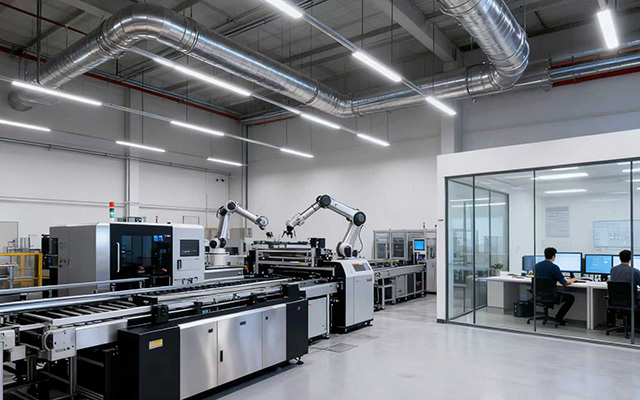
Using automated assembly equipment in Fujian, we manufacture consistent production runs supported by barcode traceability at every step.
Answers to key technical questions from procurement teams and battery engineers.
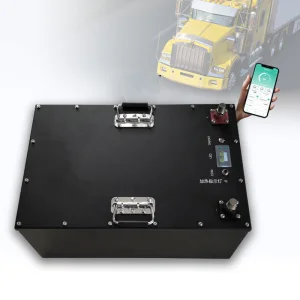
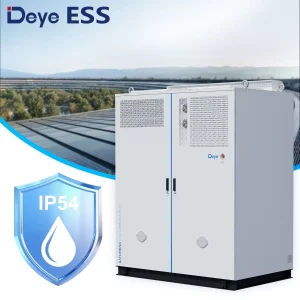
Advanced chemical storage solutions engineered for transport networks, stationary grids, and industrial machinery.
 SK Battery