Choosing the right battery for your needs can be challenging. There are various battery types available, each with unique characteristics. Understanding these differences is essential for making an informed decision. What is the difference between battery types?
In the world of batteries, several options exist, such as lithium-ion, nickel-metal hydride, and lead-acid. Each has its advantages and drawbacks. Lithium-ion batteries are lightweight and long-lasting, popular for portable devices. However, they can be more expensive. Lead-acid batteries, on the other hand, are cost-effective and widely used in vehicles. Their weight and maintenance needs, though, can be inconvenient.
Consider usage scenarios carefully. The right choice depends on specific needs, such as capacity and charging time. Make a list of your requirements. Reflect on your priorities. This will guide you towards the best battery type. Focus on durability, efficiency, and cost-effectiveness. Finding the perfect match may take time, but it’s worth the effort.
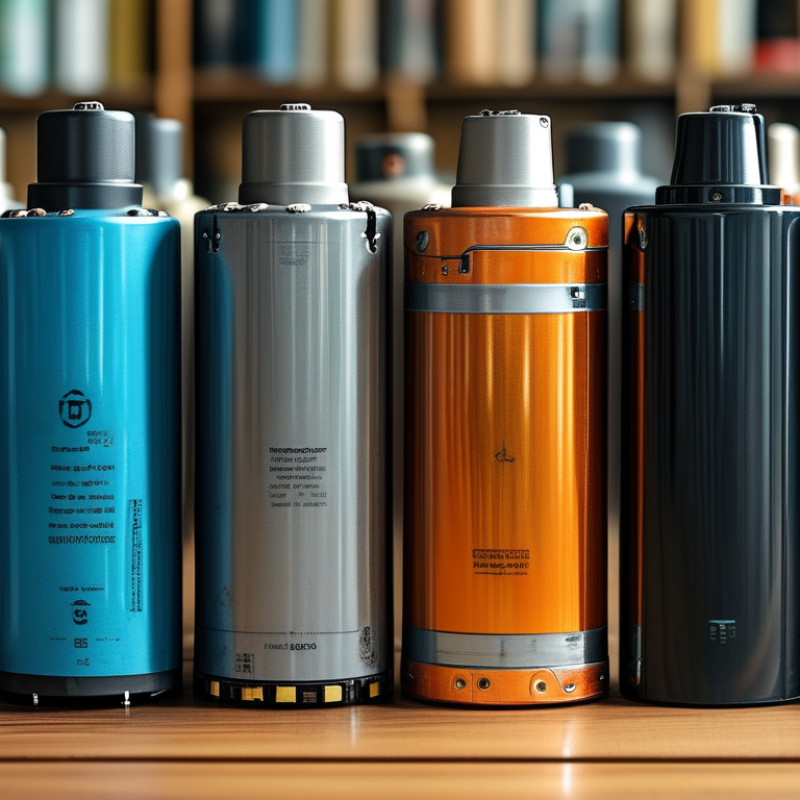
Understanding the Different Types of Batteries Available
When selecting the right battery type, understanding various options is crucial. Lithium-ion batteries are popular for their high energy density and efficiency. They recharge quickly and have a long life cycle. According to a report by the International Energy Agency, lithium-ion batteries accounted for 75% of global battery sales in 2022. Their compact size makes them ideal for portable electronics.
Lead-acid batteries, on the other hand, are heavier but offer affordability and reliable performance. They are often used in vehicles and backup power systems. A study by the Battery Council International showed that more than 90% of lead-acid batteries are recycled, highlighting their eco-friendly aspect. However, they have a shorter lifespan compared to lithium-ion batteries.
When choosing a battery, consider your specific needs. For portable devices, lithium-ion is often the best choice. If cost is a major factor, lead-acid might be ideal.
Think about the environment too. Assess how the batteries will be disposed of. Recycling can reduce waste and conserve resources. A balanced view of pros and cons is essential when making your decision.
Key Factors to Consider When Choosing a Battery Type
When selecting the right battery type, several key factors come into play. One primary consideration is energy density. This factor determines how much energy a battery can store relative to its size. For example, lithium-ion batteries offer high energy density, making them suitable for devices requiring compact and powerful energy sources. On the other hand, lead-acid batteries provide lower energy density but are often more cost-effective for larger applications, like automotive uses.
Another crucial aspect is charging cycles. Different battery types have varying lifespans measured in charge cycles. Lithium polymer batteries tend to have a shorter lifespan compared to nickel-metal hydride options. You might consider your usage patterns too. If you frequently recharge, a battery with a higher cycle life could save you money over time. It's also important to think about safety. Some batteries, like lithium-ion, can pose risks if not handled properly. Ensure you are aware of the specific safety ratings.
Lastly, environmental impact plays a role in battery selection. Some battery types are more recyclable than others. Striking a balance between performance and eco-friendliness requires careful thought. While some may prioritize power and efficiency, others might lean towards sustainability. Reflecting on these factors can lead to a more informed decision that aligns with your needs.
Comparing Battery Chemistries: Pros and Cons
When selecting a battery, understanding different chemistries is crucial. Lithium-ion batteries are popular for their high energy density and lightweight design. However, they may pose safety risks if not managed properly. Lead-acid batteries are a traditional choice, known for their reliability and low cost. Yet, they are heavy and have a shorter lifespan. Nickel-metal hydride batteries offer a balance, with decent capacity and better environmental profiles, but they don't perform as well in high-drain applications.
Consider the power requirements of your devices. For daily use in smartphones and laptops, lithium-ion may be best. For vehicles, lead-acid batteries might work depending on weight limitations. Think about the environment too. Some chemistries are easier to recycle than others, which can influence your decision.
Choosing the right battery involves more than just specifications. Reflect on your usage patterns. Expensive batteries might seem daunting upfront, but their longevity can save money over time. Remember, the wrong choice may lead to frequent replacements, stressing both finances and the environment. Always weigh the pros and cons of each option seriously.
Application-Specific Battery Selection: What to Know
When selecting batteries for specific applications, understanding the characteristics of different types is crucial. Lithium-ion batteries, for instance, typically offer high energy density and longer lifespans, making them suitable for portable electronics. However, their temperature sensitivity and cost can be limiting factors. According to a recent industry report, about 70% of electric vehicle manufacturers prefer lithium-ion due to its recharging efficiency.
Lead-acid batteries are another option, often found in automotive and backup power applications. They are more affordable and provide reliable performance, but their weight and limited cycle life can impact usability. It's essential to consider the specific needs, such as weight restrictions or environmental conditions, when making a choice.
One key aspect is compatibility with the device. Always check voltage and energy requirements. Consulting with industry professionals can provide relevant insights. If your application demands higher energy efficiency, consider newer technologies like solid-state batteries. They may still be in development, but they promise improved longevity and safety in various applications. This option, however, may come with higher initial costs and limited availability.
Battery Types Comparison
This chart provides a comparison of different battery types based on their energy density measured in Watt-hours per kilogram (Wh/kg). Choosing the right battery type is essential for optimizing performance and efficiency based on application needs.
Cost and Maintenance Considerations for Battery Choices
When selecting a battery type, cost is a crucial factor. Lead-acid batteries are often the cheapest upfront option. However, they have a shorter lifespan, typically around three to five years. In contrast, lithium-ion batteries come with a higher initial cost but offer a lifespan of eight to fifteen years. A report by the International Energy Agency indicates that lithium-ion batteries are becoming more affordable, with costs declining nearly 90% since 2010.
Maintenance is another important consideration. Lead-acid batteries require regular fluid checks and maintenance. Neglecting this can shorten their lifespan significantly. On the other hand, lithium-ion batteries are low-maintenance, needing minimal attention. It's worth noting that while lithium-ion batteries don't require regular maintenance, they can degrade faster if subjected to extreme temperatures. A 2023 study found that operating at high temperatures can reduce their efficiency by nearly 30%.
It's essential to think about your usage pattern. If you need a battery for a short-term project, the initial cost may be the deciding factor. Long-term investments should factor in lifespan and maintenance costs. Each choice carries trade-offs that need thoughtful assessment based on your specific requirements.
How to Choose Between Different Battery Types for Your Needs? - Cost and Maintenance Considerations for Battery Choices
| Battery Type |
Cost per kWh |
Lifespan (Years) |
Maintenance Requirements |
Ideal Applications |
| Lead-Acid |
$150 |
3-5 |
Regular checks, electrolyte levels |
Automotive, UPS |
| Nickel-Metal Hydride (NiMH) |
$250 |
5-10 |
Low maintenance, occasional cycling |
Hybrid vehicles, consumer electronics |
| Lithium-Ion |
$300 |
10-15 |
Very low maintenance, smart management systems |
Electric vehicles, portable electronics |
| Solid-State |
$500 |
15-20 |
Minimal, advanced technology |
Future electric vehicles, high-capacity storage |
FAQS
: Key factors include energy density, charging cycles, safety, and environmental impact.
Energy density determines how much energy a battery can store relative to its size.
Lithium polymer batteries have shorter lifespans than nickel-metal hydride options.
Some batteries, like lithium-ion, can pose risks if mishandled. Always check safety ratings.
Some batteries are more recyclable. Balancing performance and eco-friendliness is crucial.
Lead-acid batteries are cheaper upfront but have shorter lifespans compared to lithium-ion batteries.
Lead-acid batteries need regular checks. Lithium-ion batteries require minimal maintenance.
High temperatures can reduce lithium-ion battery efficiency by nearly 30%.
Yes, industry professionals can provide valuable insights based on your specific needs.
Solid-state batteries promise improved longevity and safety but may have higher costs and limited availability.
Conclusion
Choosing the right battery type involves understanding the various options available and their specific characteristics. The crucial question to consider is, "What is the difference between battery types?" This encompasses not only the battery chemistries, such as lithium-ion, lead-acid, and nickel-metal hydride, but also their respective pros and cons in terms of performance, lifespan, and suitability for different applications.
Key factors to consider include energy density, discharge rates, and environmental impact. Additionally, one must evaluate application-specific requirements to select the most appropriate battery solution. Cost and maintenance are also vital considerations, as these can affect the long-term viability of the battery choice. By carefully weighing these aspects, users can make an informed decision tailored to their unique needs.

 SK Battery